Introduction
In recent years, the way restaurants interact with customers has dramatically evolved. The COVID-19 pandemic accelerated this transformation, leading many establishments to rethink their business models. In this context, the question arises: digital menu versus traditional menu — which will be the best option to boost sales in 2026?
What is a Digital Menu?
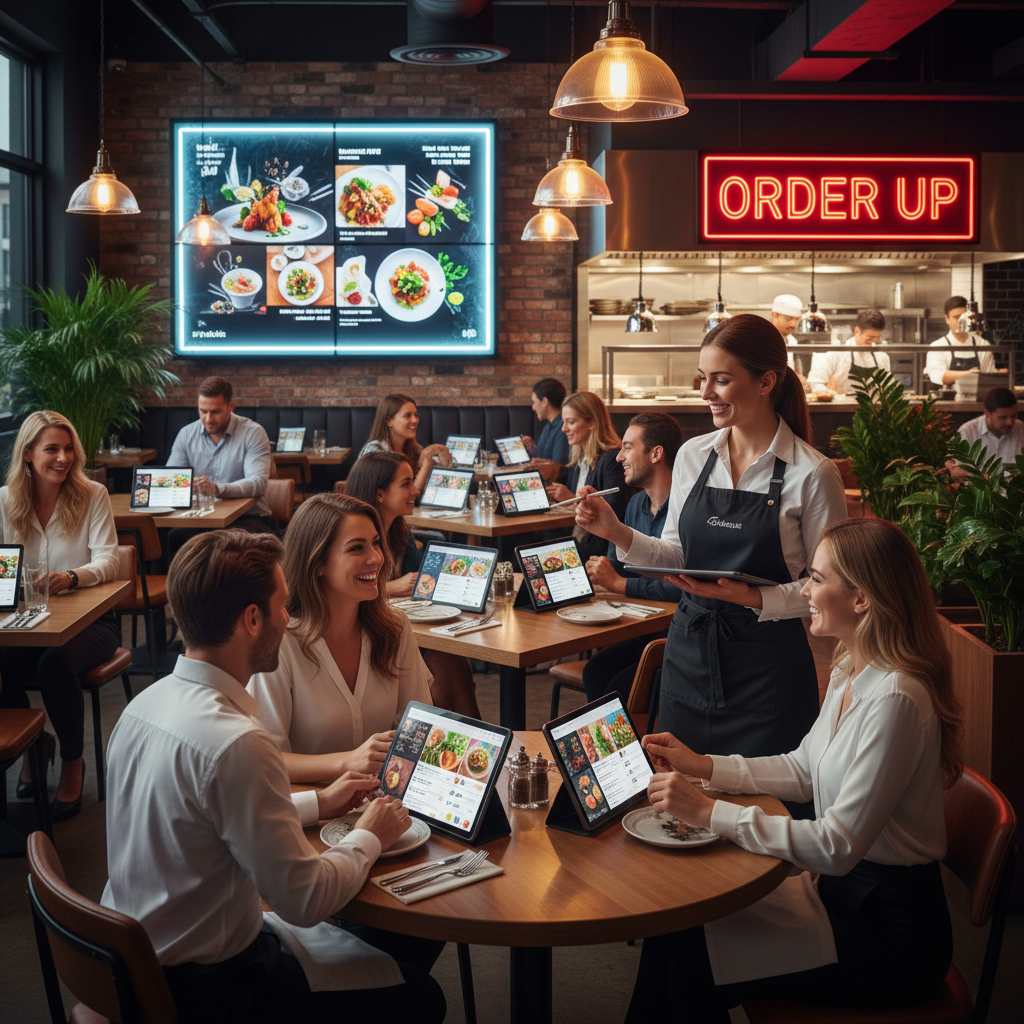
A digital menu is an electronic version of the traditional menu, accessible through devices such as smartphones and tablets. They can be offered in various formats, such as apps, responsive websites, or even through QR codes placed on tables. Digital menus have proven effective in presenting dishes, promotions, and personalizing the customer experience.
Advantages of the Digital Menu
- Interactivity: Customers can interact directly with the menu, view photos of the dishes, and obtain detailed information about ingredients and allergens.
- Real-Time Updates: The menu can be easily updated to include new items or promotions, allowing for agility in sales.
- Accessibility: Digital menus can be accessed at any time, from anywhere, increasing convenience for the customer.
- Analytics: It is possible to collect data on customer preferences, helping the restaurant develop more effective marketing strategies.
The Traditional Menu in 2026
The traditional menu, printed on paper, still has its place, especially in environments where the culinary experience is valued. For many restaurants, the quality of the design and printing of the menu can be an aspect that adds to the atmosphere and brand identity.
Advantages of the Traditional Menu
- Sensory Experience: The physical menu provides a more tactile and visual experience that some customers still prefer.
- Ease of Use: Not all customers are familiar with technology; some may find it easier to read a printed menu.
- Minimization of Distractions: In a family or romantic dinner, a physical menu can minimize distractions from mobile devices.
- Avoids Technical Issues: There are no risks of technological failures, such as internet connection problems.
Comparison: Digital Menu vs Traditional Menu
To understand which option may sell more in 2026, it is essential to compare the two approaches:
1. Customer Acceptance
Younger generations tend to prefer digital menus for their convenience and technology. However, older audiences may be more receptive to the traditional menu. When considering your target audience, it is crucial to choose the option that best aligns with customer preferences.
2. Cost and Maintenance
A digital menu may require an initial investment in technology, but updates are easier and more economical over time. The traditional menu, on the other hand, may have recurring costs in printing.
3. Boosting Sales
Studies show that digital menus can increase sales through product upgrades and suggested sales. Additionally, digital menus can facilitate order placement through delivery systems.
Conclusion
In an increasingly digital world, digital menus tend to be the smarter choice for restaurants looking to maximize their sales by 2026. The versatility, ability to collect data, and ease of updating make the digital menu a powerful tool in the food service sector. However, it is essential to consider your customer profile and offer an experience that combines both tradition and innovation.
Ready to modernize your restaurant? Explore the solutions from GuideLocal, which offers digital menus, POS systems, and order management to maximize your sales.