Introduction
In the world of gastronomy, food delivery is constantly evolving. Restaurants and food service establishments have the option of having an in-house delivery or using delivery platforms like Uber Eats. But which of these options is worth it? In this article, we will explore the pros and cons of each method to help you make an informed decision.
What is In-house Delivery?
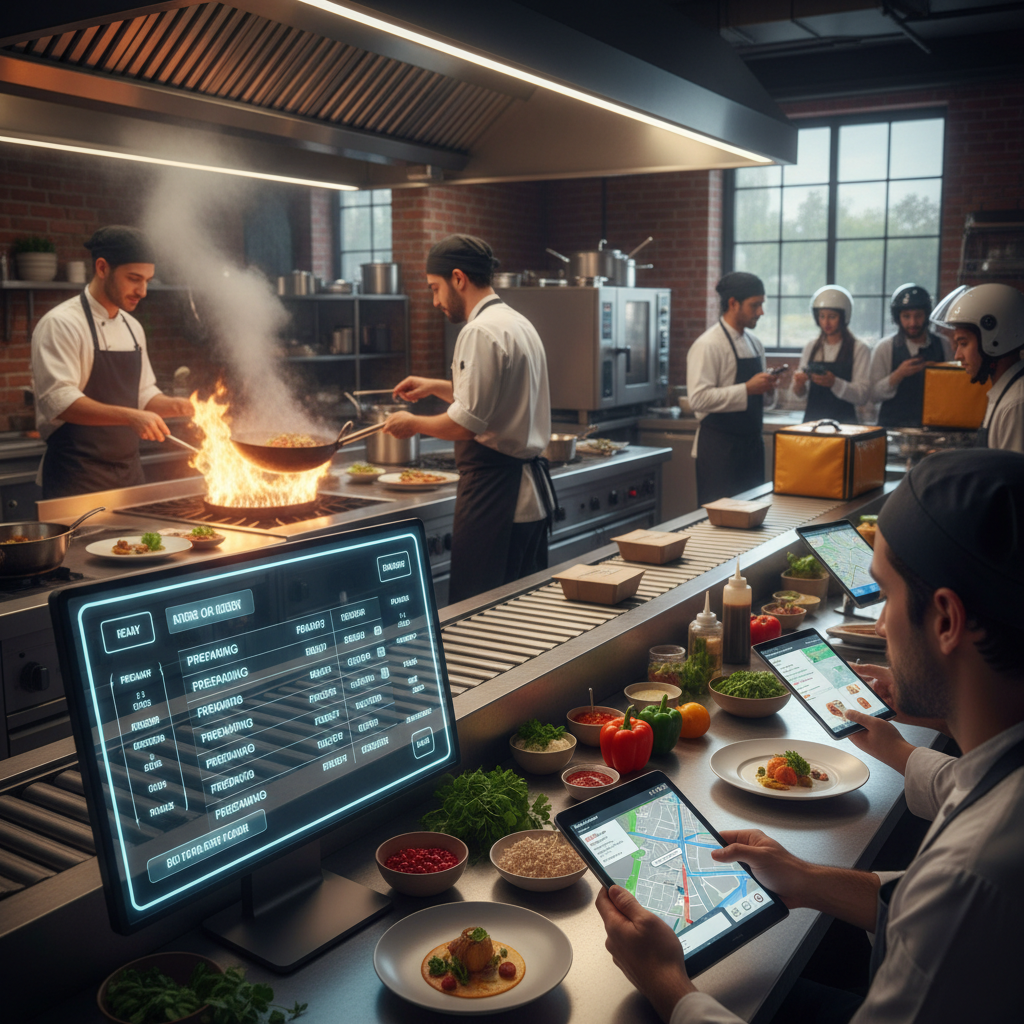
In-house delivery involves the internal management of the delivery of orders made by a restaurant. This means that the restaurant is responsible for the entire delivery logistics, from preparation to delivery to the customer.
Advantages of In-house Delivery
- Total Control: The restaurant has control over the entire process, from packaging to customer service.
- Lower Fees: Without intermediary fees, the restaurant can increase its profit margin.
- Personalized Experience: It is possible to create a unique delivery experience that reflects the brand's identity.
- Customer Loyalty: Customers who buy directly tend to feel closer to the brand.
Disadvantages of In-house Delivery
- Complex Logistics: Managing delivery may require an efficient system and a dedicated team.
- Necessary Investments: Investment in vehicles, tracking technology, and hiring delivery personnel is needed.
- Limited Reach: Delivery may be restricted to a specific geographic area.
What is Uber Eats?
Uber Eats is a delivery platform that connects restaurants and customers, facilitating the online ordering and delivery process. Restaurants register and become visible to a large customer base.
Advantages of Uber Eats
- Large Reach: The platform already has many registered users, increasing the restaurant's visibility.
- Ease of Use: Restaurants do not have to worry about delivery logistics.
- Integrated Marketing: Uber Eats invests in marketing to attract new customers.
Disadvantages of Uber Eats
- High Fees: Using the platform incurs fees that can reduce the restaurant's profit margin.
- Less Control: The restaurant has little to no control over the delivery experience of the orders.
- Dependency on the Platform: The restaurant becomes dependent on a third party for deliveries.
Comparative Analysis
Now that we have analyzed the advantages and disadvantages on both sides, it is important to consider some essential factors for your decision:
- Type of Cuisine: If your business focuses on a cuisine that requires quick delivery and product quality, in-house delivery may be more advantageous.
- Location: Restaurants in urban areas with high demand may benefit from Uber Eats for faster customer reach.
- Access to Technology: If you already have an order management platform like GuideLocal, in-house delivery may be more viable.
Conclusion
The decision between in-house delivery and using Uber Eats requires careful analysis of your restaurant's needs. Using a platform like GuideLocal can enhance both in-house delivery and integration with Uber Eats, allowing you to choose the best option according to your reality.
If you seek to optimize the management of your restaurant and desire more detailed information on best delivery practices, do not hesitate to contact GuideLocal and find out how we can help you achieve your goals!